
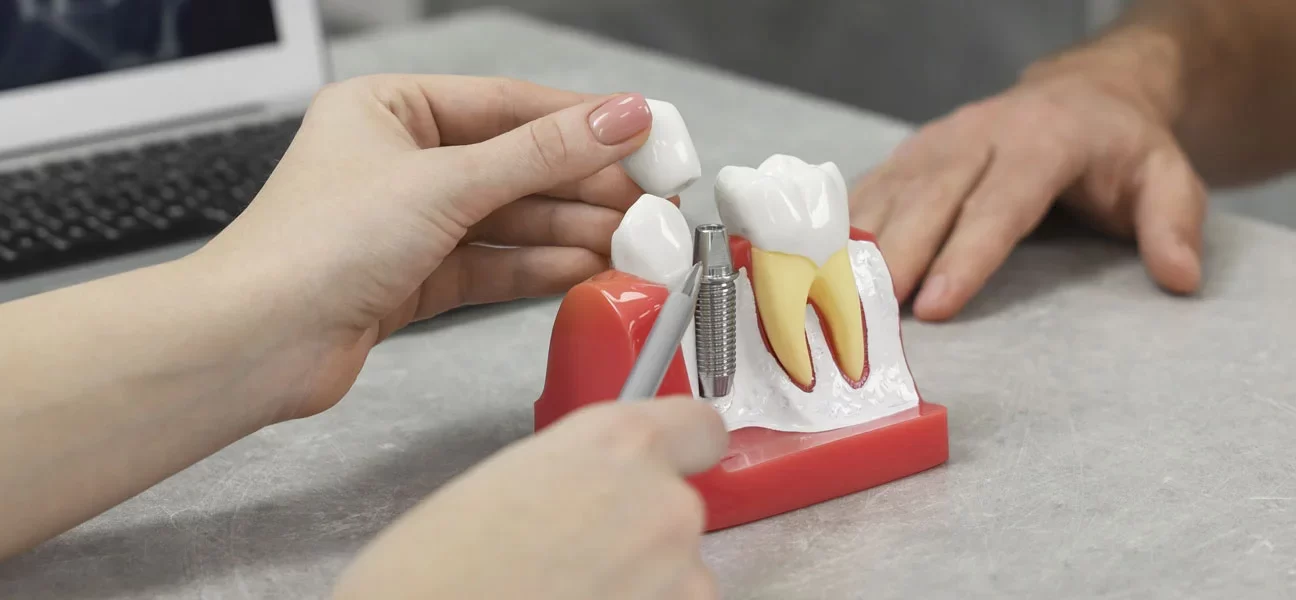
What to Expect During Dental Implant Recovery
The effects of missing teeth extend beyond aesthetics, influencing everyday activities such as eating and speaking. Unlike removable tooth replacement options, dental implants become integrated with the jawbone, creating a secure foundation for a restored smile. If you are planning to have a dental implant in Jersey City, understanding the recovery process can help you feel more prepared and confident about the treatment.
Most people experience mild swelling, tenderness, and temporary dietary adjustments during healing. Recovery happens in stages, starting with healing at the surgical site and continuing through osseointegration, the stage in which the implant gradually bonds with the jawbone. Knowing what is normal and when to contact your dental provider can make recovery smoother and less stressful.
Introduction to Dental Implant Recovery
Dental implant recovery is a gradual process that extends beyond the first few days after surgery. While initial discomfort typically improves within a week, complete healing can take several months.
The timeline can vary based on factors such as:
- Overall health
- Bone quality and density
- Number of implants placed
- Whether bone grafting was required
- Oral hygiene habits
- Smoking status
As per the ADA, dental implants have high long-term success rates when proper aftercare and maintenance are followed.
Immediate Post-Surgery Recovery Phase
Immediately after implant placement, the body begins its natural healing response.
You may notice:
- Mild bleeding
- Swelling around the gums and cheeks
- Tenderness at the surgical site
- Temporary difficulty chewing
- Minor bruising
These symptoms are a normal part of the healing process and typically begin to improve within a few days.
While many people feel ready to resume their usual activities within a few days, the implant site continues to heal and strengthen over the following months.
Managing Swelling, Bleeding, and Discomfort
The first few days are often the most noticeable part of recovery.
To manage symptoms effectively:
- Apply a cold compress for 15–20 minutes at a time during the first 24 hours.
- Take medications exactly as directed by your dental professional.
- Rest and avoid strenuous activity.
- Keep your head elevated while sleeping.
A small amount of oozing from the surgical site may occur during the first day and can mix with saliva. Bleeding that does not slow down or becomes heavy should be evaluated by your dental team.
Expert Insight
Mild swelling is a common response after surgery and reflects the body’s natural healing process. Swelling often becomes most noticeable during the second or third day before gradually subsiding.
The First 24–48 Hours After Surgery
The first two days are critical for protecting the surgical area.
Focus on:
- Resting adequately.
- Staying hydrated.
- Avoiding vigorous rinsing.
- Not touching the implant area with fingers or the tongue.
- Following all postoperative instructions carefully.
Protecting the blood clot and surrounding tissues during this period supports healthy healing.
Diet and Eating Guidelines During Recovery
Nutrition plays an important role in tissue repair and recovery.
Foods Often Recommended During Early Healing
- Yogurt
- Smoothies
- Applesauce
- Mashed potatoes
- Scrambled eggs
- Soup at a lukewarm temperature
- Oatmeal
Foods to Avoid
- Hard nuts
- Popcorn
- Crunchy chips
- Sticky candies
- Very hot beverages
- Alcohol during the initial recovery period
As healing progresses, most individuals gradually return to a normal diet.
Oral Hygiene and Cleaning Around Implants
Keeping the mouth clean helps reduce the risk of infection.
Your provider may recommend:
- Gentle brushing around the area
- A soft-bristled toothbrush
- Prescribed antimicrobial rinses
- Careful flossing once approved
Avoid aggressive cleaning near the surgical site during the earliest stages of healing.
Patients searching for a “dentist near me” are often surprised to learn that implant success depends heavily on daily oral hygiene after placement.
Osseointegration and Bone Healing Process
One of the most important stages of implant recovery is osseointegration.
During this stage, the jawbone gradually grows around the implant, helping secure it firmly in place.
What Happens During Osseointegration?
- Bone cells grow around the implant.
- The implant becomes anchored within the jaw.
- Stability increases over time.
- The implant serves the same essential role as a natural tooth root by supporting the replacement tooth.
This phase typically takes several months and provides long-term stability of the implant.
Activities and Habits to Avoid
Some activities can place unnecessary stress on the implant site and slow the healing process.
Avoid:
- Smoking
- Vaping
- Excessive alcohol consumption
- Heavy lifting
- Contact sports without protection
- Chewing directly on the implant site
Smoking is particularly associated with delayed healing and increased implant failure risk.
Follow-Up Visits and Monitoring Healing
Regular follow-up appointments allow your dental provider to evaluate healing progress.
These visits may include:
- Examination of gum tissue
- Assessment of implant stability
- Digital imaging, when necessary
- Monitoring for signs of infection
A trusted dentist in Jersey City will emphasize ongoing monitoring because early detection of complications supports better outcomes.
Normal Healing Symptoms vs. Warning Signs
Understanding the difference between expected healing and potential complications is important.
Normal Healing Symptoms
- Mild swelling
- Minor bruising
- Temporary soreness
- Slight bleeding during the first day
- Sensitivity while chewing
Warning Signs
Contact your dental provider if you experience:
- Severe or worsening pain
- Excessive bleeding
- Persistent swelling after several days
- Fever
- Pus or unusual discharge
- Implant mobility
Prompt evaluation helps address concerns before they become more serious.
Recovery Timeline for Final Restoration Placement
Every treatment plan is unique, but a general timeline often looks like this:
Days 1–7
Initial healing and symptom management.
Weeks 2–6
Soft tissue healing continues.
Months 3–6
Osseointegration progresses and implant stability improves.
Final Restoration Phase
The replacement tooth or prosthetic is typically placed once healing is complete and the implant is ready to support it.
Tips for Faster and Smoother Healing
While healing cannot be rushed, certain habits may support recovery.
Actionable Takeaways
- Follow all post-operative instructions.
- Maintain excellent oral hygiene.
- Eat nutrient-rich foods.
- Stay hydrated.
- Attend follow-up visits.
- Avoid tobacco products.
- Get adequate sleep.
A professional dentist in New Jersey agrees that consistency with aftercare is one of the most significant factors influencing implant success.
Long-Term Implant Care and Maintenance
Once healing is complete, implants require ongoing care similar to natural teeth.
Long-term maintenance includes:
- Daily brushing
- Routine flossing
- Professional cleanings
- Regular dental examinations
- Monitoring gum health
Individuals searching for a dentist in the 07306 area often ask whether implants can develop cavities. The implant itself cannot decay, but the surrounding gum tissue and bone still require protection from periodontal disease.
Patients seeking a “dental office near me” should prioritize routine preventive visits to help preserve the longevity of their implants.
Final Thoughts on a Successful Implant Recovery
Dental implant recovery requires patience, good oral hygiene, and consistent follow-up care. Most patients heal predictably when they follow professional instructions and maintain healthy habits throughout treatment.
If you are considering a dental implant in Jersey City, understanding each stage of recovery can help you set realistic expectations and support a positive experience. At Denta Glow, patient education, clear communication, and personalized treatment planning help individuals make informed decisions about their oral health. The practice emphasizes modern dental care, patient comfort, and thorough treatment discussions to support successful outcomes.
Frequently Asked Questions
The earliest stage of recovery is usually completed within 1 to 2 weeks. Complete integration with the jawbone may require three to six months or longer.
Yes. Mild to moderate swelling is common and generally peaks within 48 to 72 hours, then gradually improves.
Many individuals return to work within one to three days, depending on the complexity of the procedure and personal comfort levels.
Soft foods are usually recommended initially. Most patients gradually resume normal eating habits as healing progresses.
Decreasing discomfort, healthy gum appearance, and positive follow-up evaluations are encouraging signs. Any unusual symptoms should be reported promptly.